Heard people describe a home as “West of Trail” and wondered what that really means? You’re not alone. It’s one of Sarasota’s most used phrases, yet it isn’t an official boundary. In the next few minutes, you’ll learn what “West of Trail” actually covers, why those addresses often carry a premium, and how to evaluate homes there with confidence. Let’s dive in.
What “West of Trail” means
When locals say “Trail,” they’re referring to the Tamiami Trail, also known as U.S. Highway 41. “West of Trail” is a shorthand for properties located on the bay side of U.S. 41 rather than inland to the east. It’s commonly used in conversation and listings to distinguish coastal and downtown areas from more suburban neighborhoods.
It’s important to know this is an informal label, not a legal or zoning line. Different people may include slightly different areas in their definition. For clarity, verify a specific address using official maps from the City of Sarasota planning resources and the Sarasota County Property Appraiser parcel records.
Where it is: key areas
“West of Trail” generally includes the city’s bayfront and the barrier islands just offshore. Some areas sit directly adjacent to downtown, while others are reached by scenic causeways. Here are the locations you will hear most often.
Downtown and adjacent peninsulas
- Downtown Sarasota, the Rosemary District, and Burns Court offer walkable access to dining, galleries, and performing arts. You can reach the waterfront quickly and enjoy a lively city lifestyle.
- Golden Gate Point and nearby Harbor Acres are peninsulas at the downtown bayfront with a mix of luxury condos and upscale single-family homes.
Bird Key, Lido Key, and St. Armands
- Bird Key is a prestigious island neighborhood known for single-family waterfront homes and boating access.
- Lido Key and St. Armands feature a blend of beachfront and bayfront condos, single-family homes, and boutique shopping and dining around St. Armands Circle.
Siesta Key and Longboat Key
- Many agents include Siesta Key and Longboat Key in the casual “west of Trail” or coastal conversation. These islands offer beach-focused living with a mix of condos and luxury estates.
South Sarasota and Gulf Gate area
- South of downtown, several neighborhoods sit west of U.S. 41 with varied housing styles and price points. Some are closer to the beach routes while still offering year-round convenience.
Why it often commands a premium
Several factors tend to push values higher in these coastal and near-downtown locations. While every property is unique, these drivers are consistent across the market:
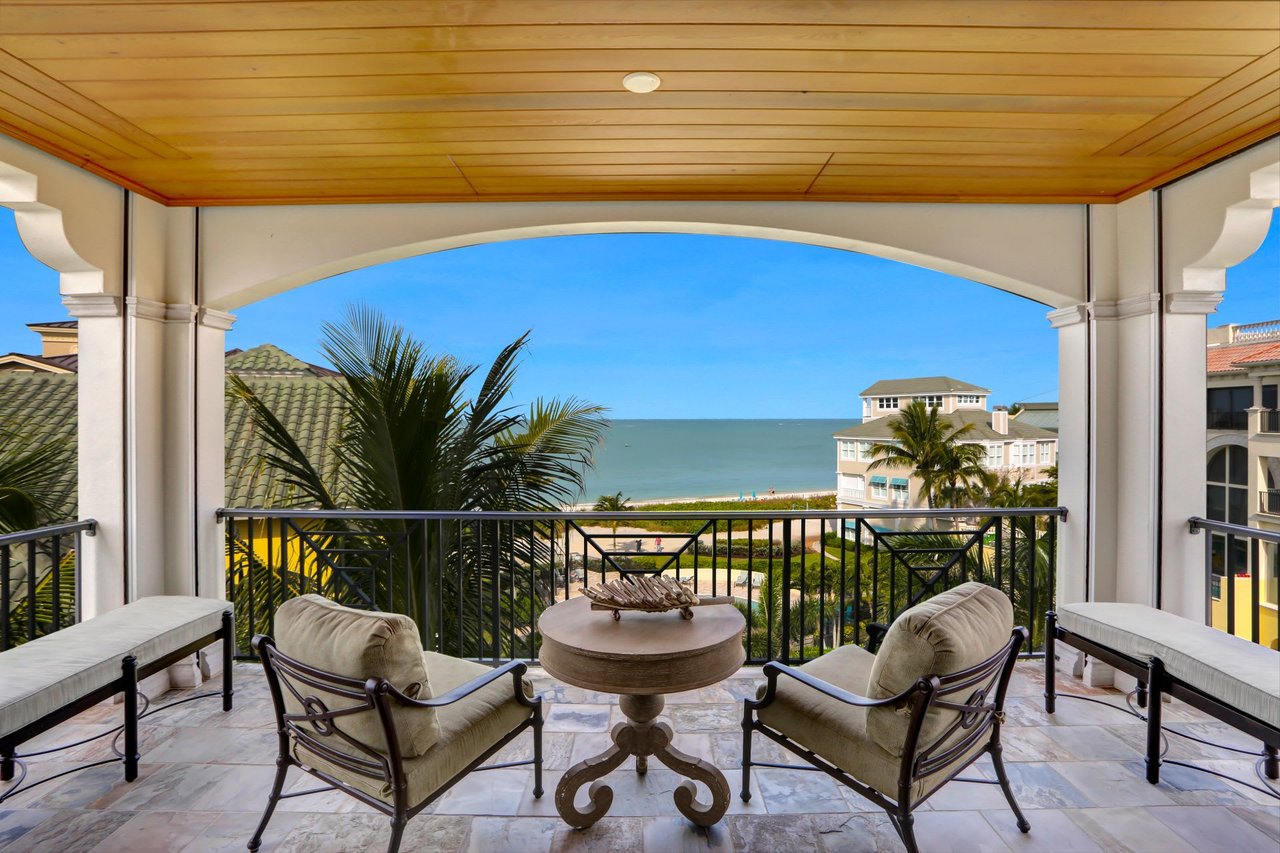
- Proximity to water and views. Waterfront and near-water homes offer boating access, marina proximity, and skyline or open-water views that many buyers prioritize.
- Walkability and culture. Being minutes from restaurants, shopping, and arts venues adds daily convenience and lifestyle value. Explore the area’s cultural highlights with Visit Sarasota’s local guides and arts anchors like The Ringling Museum.
- Scarcity of land. Waterfront parcels and island lots are finite, which can increase competition and help support long-term values.
- Lifestyle reputation. These addresses carry a prestige factor that appeals to second-home and relocation buyers.
- Rental demand nuance. Some coastal condo buildings see strong seasonal demand. Rules and building bylaws matter, so always review them before assuming rental income.
Premiums vary widely by neighborhood, water frontage, elevation, and property condition. A small inland condo west of U.S. 41 can be less expensive than an on-water home east of it. For a clearer market picture, consult current reports from the Sarasota Association of Realtors and county records.
What you’ll find: home types
Expect a wide range of properties across “West of Trail,” from entry options to trophy estates. The mix and quality can vary block by block.
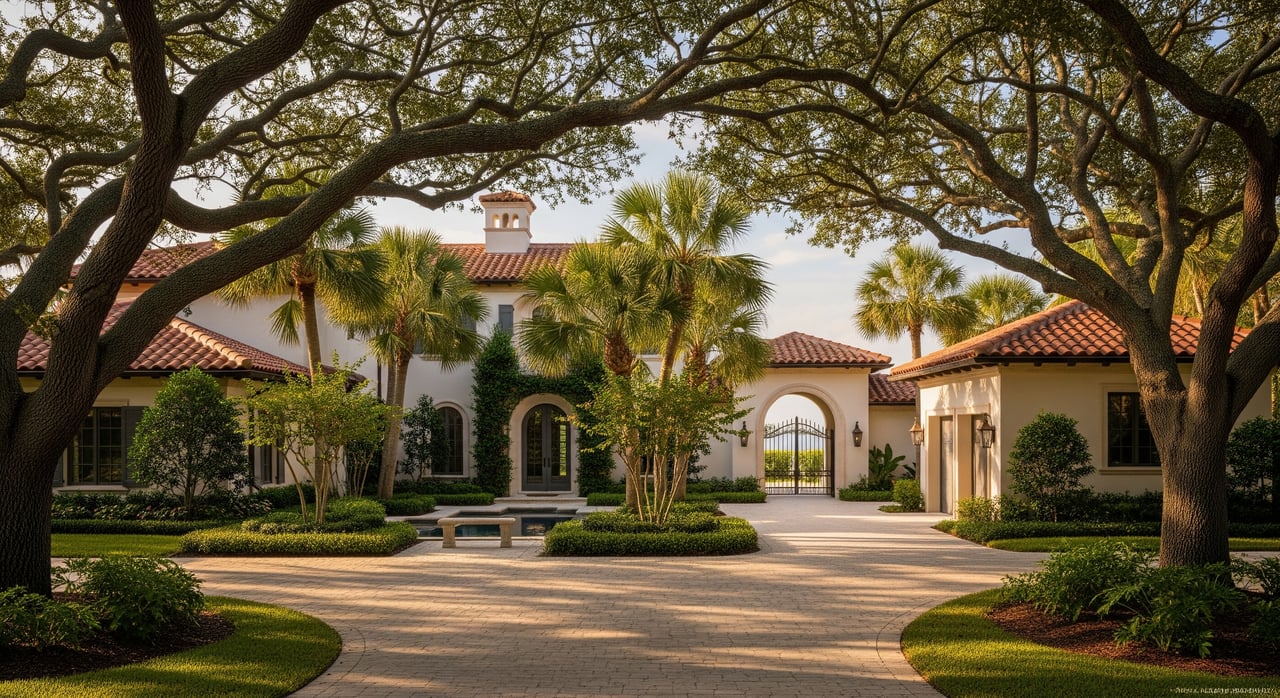
- Luxury waterfront estates. Large-lot bayfront homes and island properties with private docks sit at the top of the market.
- Downtown and island condos. Mid and high-rise buildings offer low-maintenance living and amenities, from classic buildings to new luxury towers.
- Historic and architect-driven homes. You will see mid-century, Mediterranean Revival, and bungalow styles in select downtown-adjacent areas.
- Smaller single-family and duplex homes. Some west-of-41 neighborhoods offer more approachable price points with year-round convenience.
Many areas combine mid-20th-century homes with recent renovations or new construction. Plan for potential updating or due diligence on past remodels.
Buyer checklist: due diligence essentials
Coastal ownership comes with unique responsibilities and costs. Use this list to reduce surprises and strengthen your offer.
- Flood risk and elevation. Review FEMA flood zones at the Flood Map Service Center and ask for an elevation certificate. Elevation and historic surge patterns directly affect insurance and long-term costs.
- Insurance quotes early. Secure preliminary wind and flood insurance quotes from carriers familiar with Florida coastal properties. Availability and premiums can change quickly.
- Seawalls, docks, and permits. Inspect seawalls and docks, and verify permits and maintenance responsibilities with the Sarasota County permitting resources or City if applicable.
- Building codes and storm readiness. Newer homes meet enhanced wind codes, while older homes may need impact windows, roof tie-downs, or other retrofits.
- Short-term rental rules. Check city or county ordinances and your building or HOA bylaws before counting on rental income.
- Taxes, fees, and assessments. Review HOA fees for amenities and maintenance. Property taxes reflect assessed value, which often tracks neighborhood premiums. Verify details with the Sarasota County Property Appraiser.
- Market context. For comps and trends, use reports from the Sarasota Association of Realtors and statewide insights from Florida Realtors.
How to verify a property’s location
Because “West of Trail” is informal, confirm the exact location before you write an offer.
- Locate U.S. 41 on a map to identify the Trail divider. City maps and resources from the City of Sarasota make this simple.
- Use the Sarasota County Property Appraiser to pull the parcel record, then review the legal description and map overlay.
- If water access matters, check the site’s elevation, seawall status, and any recorded permits using county or city portals.
- Ask your agent to define the specific neighborhood boundaries in writing so everyone is aligned.
For sellers: marketing what matters
If you are selling west of U.S. 41, lean into the features buyers value most.
- Elevate presentation. Professional staging, polished photography, and a clear lifestyle narrative help your home stand out.
- Document coastal assets. Provide recent elevation certificates, seawall or dock inspections, and permit records up front.
- Highlight upgrades. Note impact windows, newer roofs, generator systems, or marina proximity.
- Price to true comps. “West of Trail” alone does not set your number. Use hyper-local comps through the Sarasota Association of Realtors and verify details in the Property Appraiser records.
Is “West of Trail” right for you?
If you want quick access to beaches, boating, and downtown culture, this part of Sarasota may be a perfect fit. You will balance lifestyle perks with important due diligence on flood risk, insurance, and building rules. With the right guidance, you can target the neighborhood that matches your budget and priorities.
When you are ready to explore west-of-41 living or discuss a sale, connect with a local expert who knows the streets, buildings, and bylaws by heart. For curated tours, private previews, and white-glove guidance, reach out to Allison Werner.
FAQs
What does “West of Trail” mean in Sarasota real estate?
- It refers to homes on the bay side of U.S. 41 (Tamiami Trail), covering downtown-adjacent neighborhoods and the nearby islands, though it is an informal label rather than an official boundary.
Does “West of Trail” always mean waterfront in Sarasota?
- No. While it includes many waterfront areas, some west-of-41 neighborhoods sit inland from the bay and do not have water frontage.
Are Siesta Key and Longboat Key considered “West of Trail” in Sarasota?
- Many agents include the barrier islands in the casual coastal category when contrasting with inland areas, but it is best to name the island specifically for clarity.
Why are “West of Trail” homes often priced higher in Sarasota?
- Proximity to water and views, walkability to dining and arts, and the scarcity of waterfront land are typical drivers of higher values in these neighborhoods.
How do I verify a Sarasota home is truly “West of Trail”?
- Check a map for U.S. 41 as the divider, then confirm the parcel location and legal description using the Sarasota County Property Appraiser and city or county map resources.
What hidden costs should I expect with Sarasota’s “West of Trail” properties?
- Flood and wind insurance, potential seawall or dock work, and higher condo or HOA fees for island buildings are the most common surprises to plan for.