
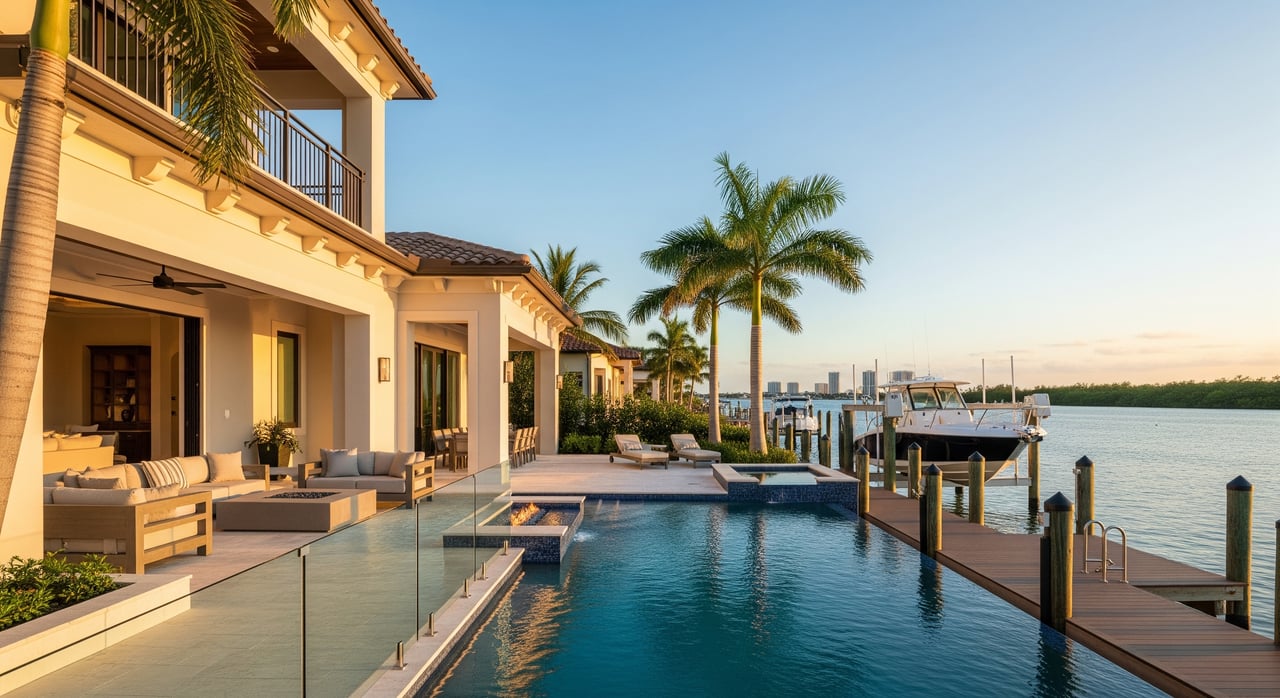
December 18, 2025
Love the idea of stepping from your lanai onto your boat and cruising Sarasota Bay in minutes? If you are shopping waterfront on Bird Key, the right features can shape your daily lifestyle and protect your long‑term value. From dock depth to hurricane‑rated openings, small details make a big difference in how you live and what you can resell for later. In this guide, you’ll learn which features matter most, how to verify them, and what to budget for so you can buy with confidence. Let’s dive in.
Waterfront living is about ease, safety, and views. On Bird Key, buyers consistently prioritize:
These features support your day‑to‑day enjoyment and can boost marketability when it is time to sell.
For boating buyers, the dock is the heartbeat of the property. You want to confirm a private dock is already in place or understand the realities of using a community or municipal marina. The dock’s length, width, and configuration affect how easily you board, tie off, and maneuver in changing wind and current.
Depth at mean low tide is critical. This determines what size boat you can keep at the property and whether you will face frequent grounding concerns. Also note any fixed bridge clearances and the proximity of marked channels for quick and safe access to open water.
A turnkey, well‑permitted dock often commands a premium because it saves time, cost, and uncertainty after closing.
If you plan to store your boat on a lift, capacity and setup matter. The lift must match your hull type, beam width, and fully loaded weight. Replacing or upgrading a lift can be costly and may require new permits, so accurate specs are essential up front.
Ask for maintenance history, the lift’s rated capacity, and how it is mounted. Whether the lift is freestanding or attached to the seawall affects structural loads and long‑term durability. An inspection by a qualified marine contractor can confirm safe operation and remaining life.
A healthy seawall protects the land, the dock, and your home’s foundation. Materials vary, including concrete cantilever, precast panels, steel or vinyl sheet piles, and timber. Each has a different lifespan and maintenance profile in saltwater.
Look for early signs of distress such as leaning, bulging, cracking, settlement, or scouring at the base. If any concerns are present, order a seawall inspection by a qualified coastal engineer. Documented repairs, tieback updates, and engineering reports help you understand remaining service life and potential near‑term expenses.
Great waterfront design blurs the line between inside and out. Covered lanais, screened porches, and an outdoor kitchen can make everyday living feel like a vacation. A pool facing the water, integrated lighting, and coastal landscaping complete the experience.
Focus on finish quality and circulation. Salt‑resistant materials, marine‑grade hardware, and low‑maintenance surfaces stand up better to humidity and sea breeze. Plan how you will move from the main living areas to the lanai, pool, and dock so the space is both relaxing and functional for entertaining.
In coastal Florida, hurricane‑rated protection is more than a box to check. Impact‑rated windows and doors, or properly installed shutters, reduce windborne debris risk and may improve insurability. Ask for product approvals that align with Florida Building Code standards.
Also verify roof and structural upgrades and whether permits and final inspections are on file. Documentation of code‑compliant improvements is a selling point for both full‑time residents and seasonal owners. It signals a home that is easier to insure and better suited to severe weather.
Views and light are core value drivers on Bird Key. Unobstructed water views, comfortable sun exposure, and privacy from neighboring docks increase day‑to‑day enjoyment. Morning versus evening sun can change how often you use outdoor spaces.
Ask your agent to review local zoning, setback rules, and neighboring development rights. You want to understand the likelihood of future construction that could affect your view. The more secure the view corridor, the more confidence you have in long‑term value.
Multiple agencies can be involved with waterfront work. Depending on the parcel, you may interact with City of Sarasota, Sarasota County, state environmental authorities for submerged lands and shorelines, and in some cases the U.S. Army Corps of Engineers. Confirm the property’s permit history early so there are no surprises.
Shoreline work and mangrove trimming are regulated. If mangroves are present nearby, special permitting and mitigation may be required. For docks and lifts, expect local rules on length, piling placement, and encroachment; encroachment into navigation lanes is not allowed.
Homes are also subject to coastal building and flood regulations. Bird Key properties are commonly in V, AE, or A flood zones depending on exact location, so you should review the current flood map for the parcel. Ask for the latest Elevation Certificate and documentation of any code upgrades to structure and openings.
Premiums depend on flood zone, elevation, and community programs. Coastal homes often carry higher homeowners and flood insurance costs, plus windstorm deductibles specific to Florida. Start quotes early in your process so you can understand how seawall age, elevation, and recent upgrades affect availability and price.
The same features that make waterfront living easy are the ones buyers will value when you sell. A functional private dock with adequate depth and the right lift is often the single most important amenity for boat‑focused buyers. A well‑documented seawall, unobstructed views, and quality outdoor living spaces make your property stand out.
Evidence of hurricane‑rated openings and code‑compliant structural work boosts confidence and marketability. Waterfront homes typically sell at a premium over non‑waterfront homes. The size of the premium varies with condition, features, and time of year, so compare recent Bird Key and nearby bayfront sales with your agent to gauge the impact of each amenity.
Waterfront ownership comes with unique maintenance. Seawalls have a lifecycle and will eventually need reinforcement, repair, or replacement. Schedule periodic inspections and keep a reserve for future work.
Docks and lifts require ongoing care. Motors, cables, and electrical systems need servicing, and marine hardware corrodes faster in saltwater. Also expect higher homeowners and flood insurance premiums than inland properties and factor in potential permitting and mitigation costs if you plan upgrades.
Use this list to move from interest to confidence.
Buying waterfront on Bird Key should feel exciting, not uncertain. If you focus on the features that drive lifestyle and value, verify permits and conditions, and get the right experts involved, you can move forward with clarity and enjoy the bay the way you imagined.
Ready to evaluate a specific property or compare features across Bird Key listings? Connect with Allison Werner for tailored guidance, private previews, and a step‑by‑step plan that protects your lifestyle and your investment.
Stay Up to Date on the Latest Real Estate Trends
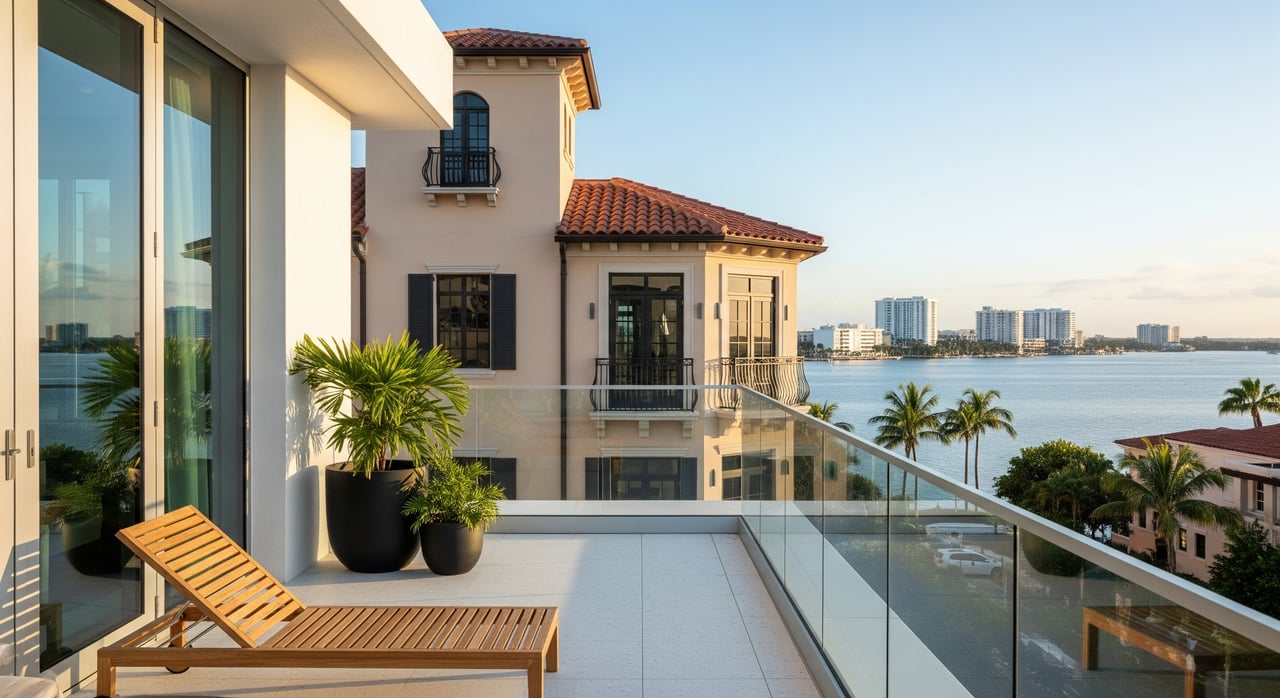
January 15, 2026
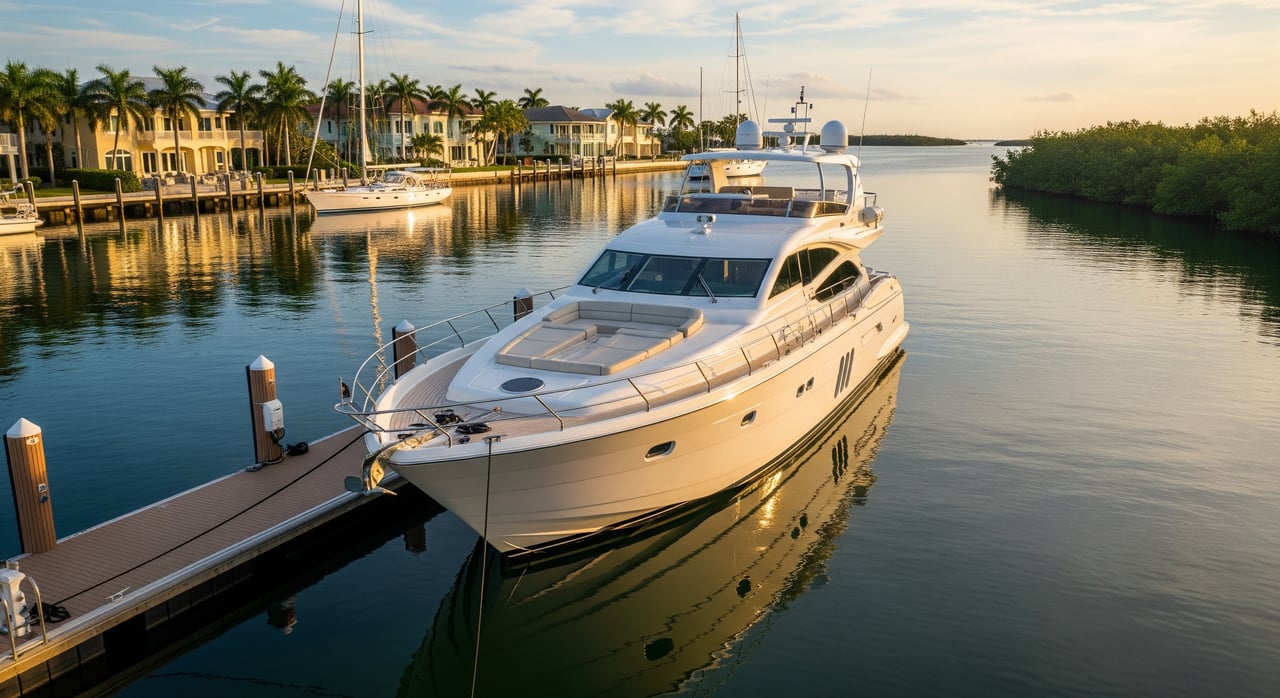
January 1, 2026
December 18, 2025
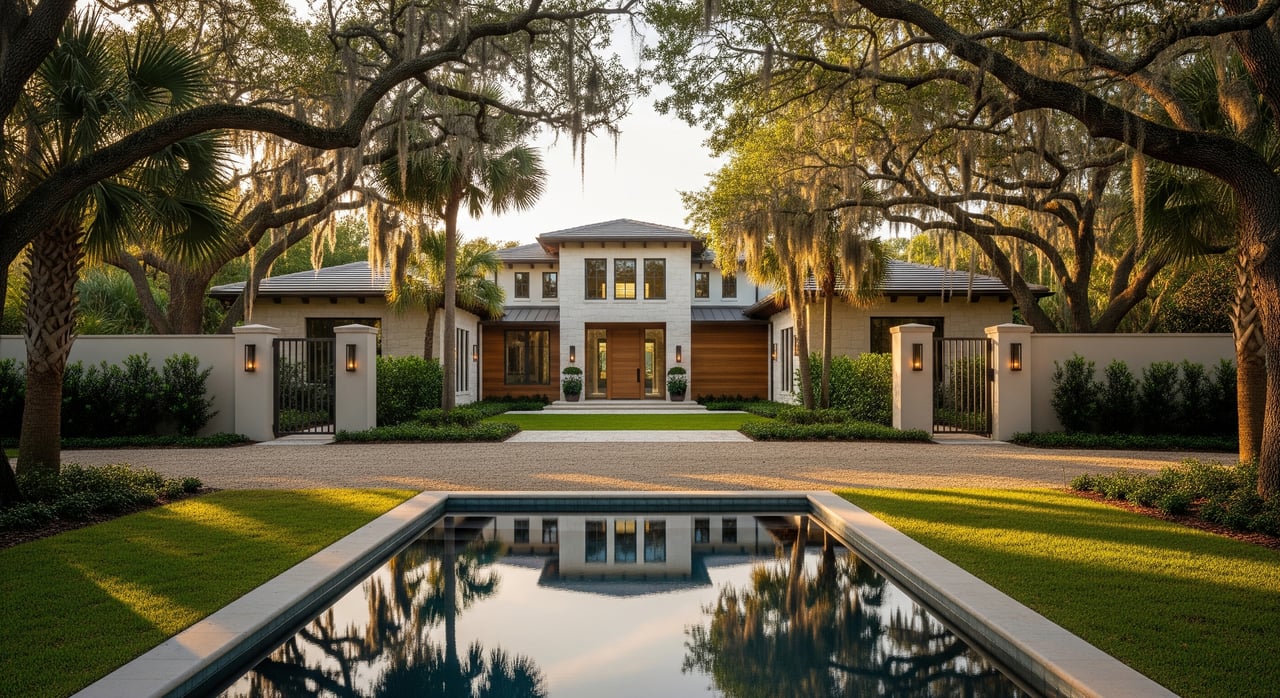
December 4, 2025
November 21, 2025

Real Estate
Allison Werner | November 6, 2025
Don't Sweat It!
Allison Werner | October 30, 2025
But Sarasotans are no stranger to famous folks living here! Here are some of our famous neighbors.
Sarasota Lifestyle
Allison Werner | August 12, 2024
What Happened & What Can Be Done
Downtown Sarasota Real Estate
Allison Werner | July 8, 2024
Lisa Morris tops condo list with sale in EPOCH
Allison brings an unparalleled attention to detail to every transaction, a wealth of knowledge on home staging, deep experience with the Sarasota market, and the tenacity to find what’s fabulous about a home and make others see it too.